Buy medioevosicilia.eu ?
We are moving the project
medioevosicilia.eu .
Are you interested in purchasing the domain
medioevosicilia.eu ?
domain@kv-gmbh.de · 0541-91531010
Buy medioevosicilia.eu ?
What are the traditions and culture in Kosovo?
Kosovo has a rich cultural heritage influenced by its history and diverse population. The traditions in Kosovo are deeply rooted in its Albanian, Serbian, and Turkish heritage, and include music, dance, and cuisine. The country also has a strong tradition of storytelling, poetry, and folk art. Additionally, Kosovo is known for its religious diversity, with a mix of Muslim, Orthodox Christian, and Catholic influences contributing to its cultural landscape. Overall, the traditions and culture in Kosovo reflect the country's complex history and the resilience of its people. **
What traditions and customs are there in Turkish culture?
Turkish culture is rich in traditions and customs that have been passed down through generations. One important tradition is the Turkish tea culture, where people gather to socialize and enjoy strong, black tea served in small glasses. Another tradition is the Turkish bath, or hamam, which is a communal bathing experience that has been a part of Turkish culture for centuries. Additionally, Turkish cuisine is known for its diverse flavors and use of fresh ingredients, and sharing meals with family and friends is an important custom in Turkish culture. Finally, hospitality is a key aspect of Turkish culture, with guests being treated with great respect and generosity. **

Similar search terms for Longday
Top-Angebote
Products related to Longday:
-
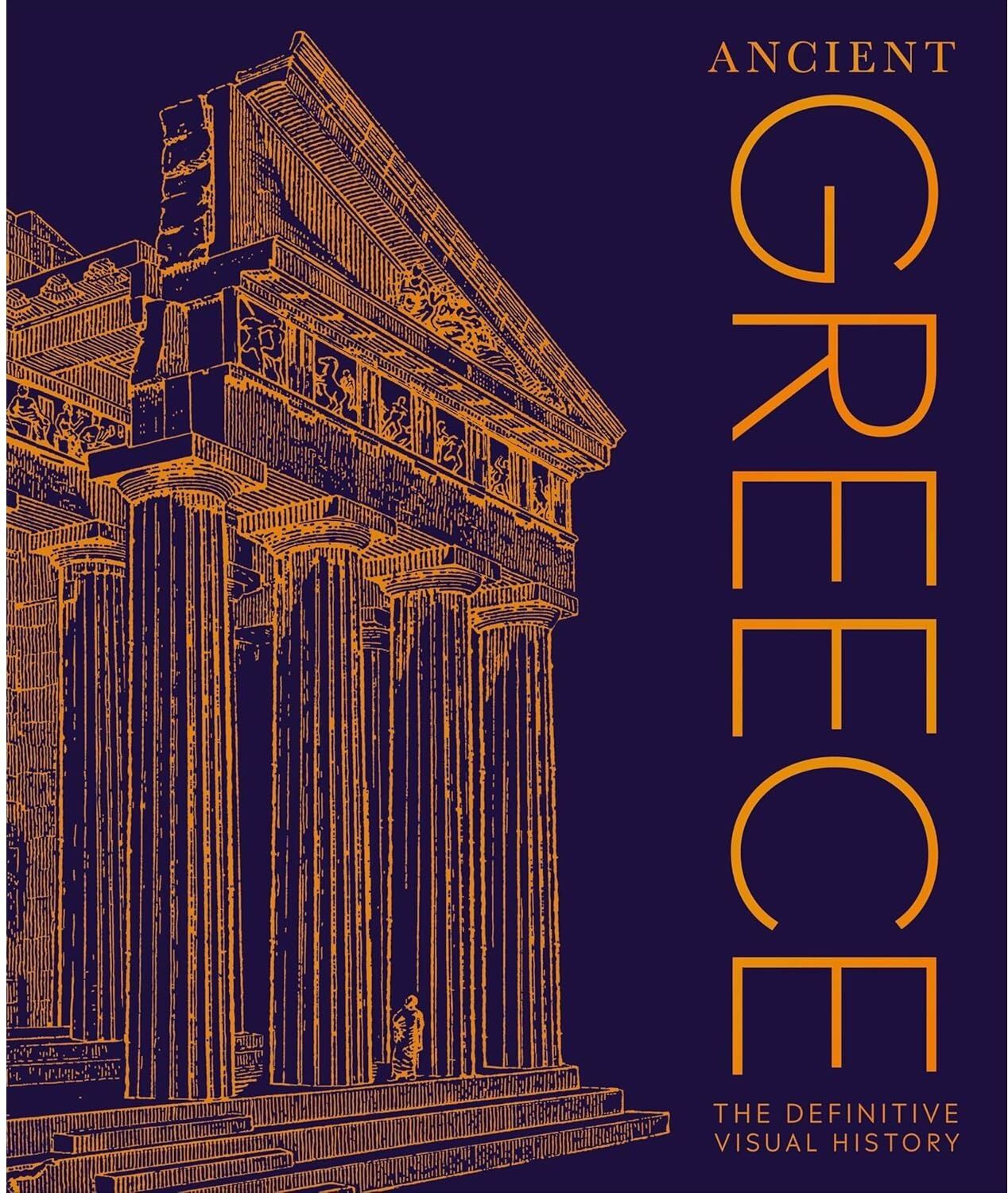
Ancient Greece: The Definitive Visual History (DK Classic History)Embark upon a fascinating journey through ancient Greece – from its rise and fall to its lasting legacy throughout the Western world. Spanning more than 3,000 years, Ancient Greece explores the tumultuous history of this glorious empire in vivid detail – from its Minoan and Mycenaean origins to the apogee of the warring city-states of Athens and Sparta, and from the death of its most charismatic leader, Alexander the Great, to its ultimate defeat by Rome. Sumptuous photography and authoritative, engaging text cover every facet of life in ancient Greece, from art, entertainment, and schools of thought to politics, medicine, and war, while the myths and religious beliefs of the ancient culture are explored and explained in depth. Greece’s military and political power shines through in fascinating maps of its legendary battles. Buried palaces and the Athenian Agora where Plato and Socrates discussed philosophy are brought back to life with stunning CGI artworks. And the stories of everyone from ordinary citizens to lawmakers and the first Olympic athletes are retold through eyewitness accounts and original artefacts.19,99 £*Shipping: 2,99 £Secure redirect to the provider
-
What does Cuban cuisine and eating culture look like?
Cuban cuisine is a fusion of Spanish, African, and Caribbean influences, resulting in a diverse and flavorful culinary tradition. Common ingredients include rice, beans, plantains, and various meats such as pork and chicken. Popular dishes include ropa vieja (shredded beef), arroz con pollo (chicken with rice), and lechón asado (roast pork). Eating culture in Cuba is centered around family and community, with meals often being a social and communal experience. It is common for Cubans to share meals with extended family and friends, and food is an important part of social gatherings and celebrations. **
-
How do you personally like Russian culture and its traditions?
As an AI, I do not have personal preferences or feelings. However, I can provide information on Russian culture and traditions. Russian culture is rich and diverse, with a long history of art, literature, music, and dance. Traditional Russian cuisine, such as borscht and blini, is also popular worldwide. Russian traditions, like Maslenitsa and Orthodox Christmas, are celebrated with great enthusiasm and bring people together in a spirit of unity and joy. Overall, Russian culture and traditions are fascinating and offer a unique glimpse into the country's heritage. **
-
How do you personally like the Russian culture and its traditions?
As an AI language model, I don't have personal experiences or preferences. However, I can tell you that Russian culture and traditions are rich and diverse, with a strong emphasis on literature, music, dance, and visual arts. The traditional Russian cuisine, such as borscht and blini, is also widely enjoyed. The Russian people are known for their hospitality and warmth, and their traditions, such as Maslenitsa and New Year celebrations, are vibrant and colorful. Overall, Russian culture and traditions are fascinating and have a lot to offer. **
-
What are electricity and high culture history?
Electricity history refers to the development and use of electricity as a form of energy, including the discovery of electricity, the invention of electric devices, and the establishment of electrical systems. High culture history, on the other hand, refers to the history of cultural and artistic achievements that are considered to be of high quality and sophistication, such as classical music, literature, fine arts, and theater. Both electricity and high culture history have evolved over time, shaping the way we live and appreciate the world around us. **
What is the difference between low culture and high culture in history?
Low culture refers to the cultural activities and products that are considered to be more common, popular, and easily accessible to the general public. This can include things like popular music, television shows, and mass-produced literature. On the other hand, high culture refers to the cultural activities and products that are considered to be more refined, sophisticated, and often associated with the elite or educated classes. This can include things like classical music, fine art, and literature that is considered to be more intellectually challenging. The distinction between low and high culture has been a source of debate and has evolved over time, but it generally reflects the social and class divisions within a society. **
Does anyone know about the Islamic Golden Age in architecture and culture?
Yes, the Islamic Golden Age was a period of great cultural and architectural achievements in the Islamic world, spanning from the 8th to the 14th century. During this time, Islamic scholars made significant advancements in fields such as mathematics, astronomy, medicine, and philosophy. In terms of architecture, the Islamic world produced stunning examples of mosques, palaces, and other structures, characterized by intricate geometric patterns, domes, and arches. This period also saw the development of beautiful decorative arts such as calligraphy, ceramics, and textiles. Overall, the Islamic Golden Age left a lasting legacy in both architecture and culture. **
Top-Angebote
Products related to Longday:
-
From the Archives: Black History and Culture Value PackThis brand-new series is rooted in a profound commitment to shedding light on some of the important -- and often lesser-known -- aspects of Black history. From the Archives features landmarks, events, people, and artistic endeavors that have played...26,99 $*Shipping: 0,00 $Secure redirect to the provider
-
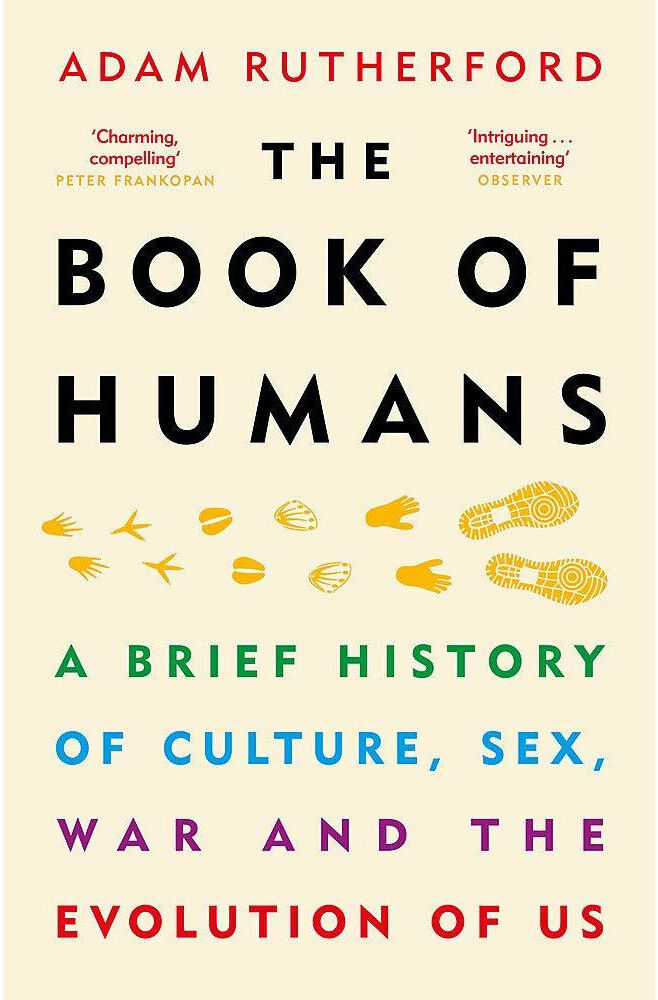
Orion The Book of Humans by Adam Rutherford – A Brief History of Culture, Sex, War & EvolutionWHAT MAKES US HUMAN? Waging war? Sex for pleasure? Creating art? Mastery of fire? In this thrilling tour of the animal kingdom, Adam Rutherford tells the story of how we became the unique creatures we are today. Illuminated by the latest scientific discoveries, THE BOOK OF HUMANS is a dazzling compendium of what unequivocally fixes us as animals, and reveals how we are extraordinary among them.4,98 £*Shipping: 1,99 £Secure redirect to the provider
-
Ancient Greece: The Definitive Visual History (DK Classic History)Embark upon a fascinating journey through ancient Greece – from its rise and fall to its lasting legacy throughout the Western world. Spanning more than 3,000 years, Ancient Greece explores the tumultuous history of this glorious empire in vivid detail – from its Minoan and Mycenaean origins to the apogee of the warring city-states of Athens and Sparta, and from the death of its most charismatic leader, Alexander the Great, to its ultimate defeat by Rome. Sumptuous photography and authoritative, engaging text cover every facet of life in ancient Greece, from art, entertainment, and schools of thought to politics, medicine, and war, while the myths and religious beliefs of the ancient culture are explored and explained in depth. Greece’s military and political power shines through in fascinating maps of its legendary battles. Buried palaces and the Athenian Agora where Plato and Socrates discussed philosophy are brought back to life with stunning CGI artworks. And the stories of everyone from ordinary citizens to lawmakers and the first Olympic athletes are retold through eyewitness accounts and original artefacts.19,99 £*Shipping: 2,99 £Secure redirect to the provider
-
What are the traditions and culture in Kosovo?
Kosovo has a rich cultural heritage influenced by its history and diverse population. The traditions in Kosovo are deeply rooted in its Albanian, Serbian, and Turkish heritage, and include music, dance, and cuisine. The country also has a strong tradition of storytelling, poetry, and folk art. Additionally, Kosovo is known for its religious diversity, with a mix of Muslim, Orthodox Christian, and Catholic influences contributing to its cultural landscape. Overall, the traditions and culture in Kosovo reflect the country's complex history and the resilience of its people. **
-
What traditions and customs are there in Turkish culture?
Turkish culture is rich in traditions and customs that have been passed down through generations. One important tradition is the Turkish tea culture, where people gather to socialize and enjoy strong, black tea served in small glasses. Another tradition is the Turkish bath, or hamam, which is a communal bathing experience that has been a part of Turkish culture for centuries. Additionally, Turkish cuisine is known for its diverse flavors and use of fresh ingredients, and sharing meals with family and friends is an important custom in Turkish culture. Finally, hospitality is a key aspect of Turkish culture, with guests being treated with great respect and generosity. **
-
What does Cuban cuisine and eating culture look like?
Cuban cuisine is a fusion of Spanish, African, and Caribbean influences, resulting in a diverse and flavorful culinary tradition. Common ingredients include rice, beans, plantains, and various meats such as pork and chicken. Popular dishes include ropa vieja (shredded beef), arroz con pollo (chicken with rice), and lechón asado (roast pork). Eating culture in Cuba is centered around family and community, with meals often being a social and communal experience. It is common for Cubans to share meals with extended family and friends, and food is an important part of social gatherings and celebrations. **
-
How do you personally like Russian culture and its traditions?
As an AI, I do not have personal preferences or feelings. However, I can provide information on Russian culture and traditions. Russian culture is rich and diverse, with a long history of art, literature, music, and dance. Traditional Russian cuisine, such as borscht and blini, is also popular worldwide. Russian traditions, like Maslenitsa and Orthodox Christmas, are celebrated with great enthusiasm and bring people together in a spirit of unity and joy. Overall, Russian culture and traditions are fascinating and offer a unique glimpse into the country's heritage. **
Similar search terms for Longday
-
How do you personally like the Russian culture and its traditions?
As an AI language model, I don't have personal experiences or preferences. However, I can tell you that Russian culture and traditions are rich and diverse, with a strong emphasis on literature, music, dance, and visual arts. The traditional Russian cuisine, such as borscht and blini, is also widely enjoyed. The Russian people are known for their hospitality and warmth, and their traditions, such as Maslenitsa and New Year celebrations, are vibrant and colorful. Overall, Russian culture and traditions are fascinating and have a lot to offer. **
-
What are electricity and high culture history?
Electricity history refers to the development and use of electricity as a form of energy, including the discovery of electricity, the invention of electric devices, and the establishment of electrical systems. High culture history, on the other hand, refers to the history of cultural and artistic achievements that are considered to be of high quality and sophistication, such as classical music, literature, fine arts, and theater. Both electricity and high culture history have evolved over time, shaping the way we live and appreciate the world around us. **
-
What is the difference between low culture and high culture in history?
Low culture refers to the cultural activities and products that are considered to be more common, popular, and easily accessible to the general public. This can include things like popular music, television shows, and mass-produced literature. On the other hand, high culture refers to the cultural activities and products that are considered to be more refined, sophisticated, and often associated with the elite or educated classes. This can include things like classical music, fine art, and literature that is considered to be more intellectually challenging. The distinction between low and high culture has been a source of debate and has evolved over time, but it generally reflects the social and class divisions within a society. **
-
Does anyone know about the Islamic Golden Age in architecture and culture?
Yes, the Islamic Golden Age was a period of great cultural and architectural achievements in the Islamic world, spanning from the 8th to the 14th century. During this time, Islamic scholars made significant advancements in fields such as mathematics, astronomy, medicine, and philosophy. In terms of architecture, the Islamic world produced stunning examples of mosques, palaces, and other structures, characterized by intricate geometric patterns, domes, and arches. This period also saw the development of beautiful decorative arts such as calligraphy, ceramics, and textiles. Overall, the Islamic Golden Age left a lasting legacy in both architecture and culture. **
* All prices are inclusive of VAT and, if applicable, plus shipping costs. The offer information is based on the details provided by the respective shop and is updated through automated processes. Real-time updates do not occur, so deviations can occur in individual cases. ** Note: Parts of this content were created by AI.